




Texas Viewers
Explore Texas nature in close-up
Texas contains Gulf marsh, coastal prairie, Piney Woods, Post Oak country, Hill Country springs, Blackland Prairie, South Texas brush, High Plains, and Chihuahuan Desert mountains. Its size makes county, habitat, and recent weather essential context for identification.
From Houston, Dallas–Fort Worth, Austin, San Antonio, El Paso, and communities statewide, viewers can use this guide to compare local habitats, seasons, and field marks with original WhatsTheZoom videos. A useful identification starts with where and when an observation was made—not simply what color it appeared on camera.
Habitats and wildlife clues to watch
- Watch Gulf wetlands and migration sites without entering nesting habitat.
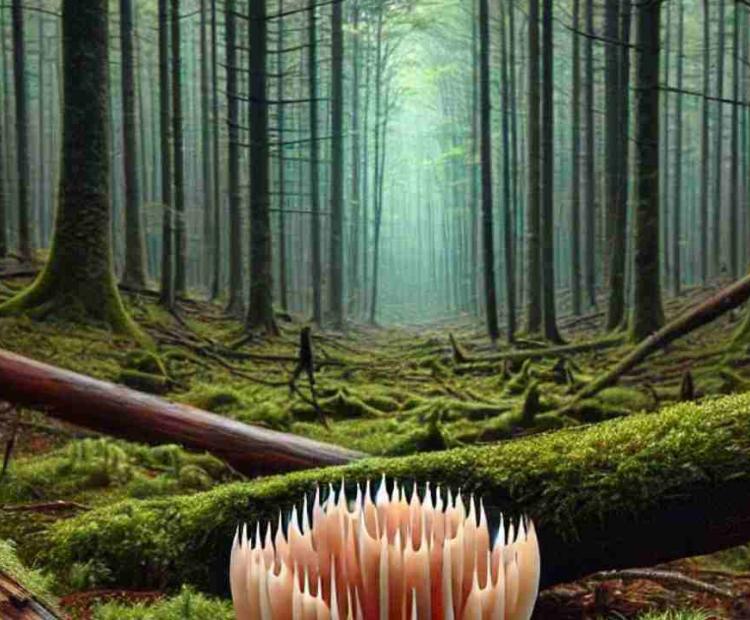
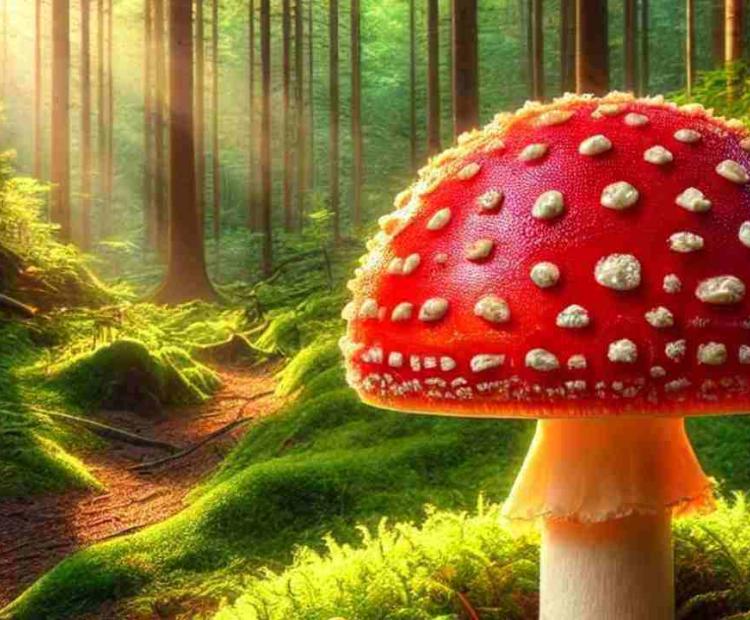
- Compare East Texas forest fungi with dry-country plants farther west.
- Study Hill Country streams and limestone features from public access.
- Observe desert and brush-country wildlife during cool hours and from a distance.
When to look closely in Texas
Spring flowering and migration vary dramatically across the state. Summer observation often shifts to dawn, dusk, shade, and water; Gulf storms and western monsoon moisture change conditions quickly. Autumn migration is important, while winter can be excellent in southern and coastal regions.
Start with these close-up nature videos
Watch a clip, pause on the clearest field marks, and compare the subject with the habitat guidance above:
- Blue-Tailed Lizard Identification Clues
- Green Hummingbird at a Feeder: ID Clues
- North Carolina Pond Dragonfly Identification
For a stronger identification, record the date, broad location, habitat, approximate size, behavior, and several viewing angles. Avoid handling unknown fungi, plants, insects, or wildlife, and follow current local access and safety guidance.
Location transparency: WhatsTheZoom creates and owns the videos shown across this network, but not every featured clip was recorded in Texas. This regional page explains what viewers in Texas can look for and how geographic context changes an identification; it does not relabel footage from another location.
Subscribe to WhatsTheZoom on YouTube for new close-up nature videos.
Featured Posts
Our Mission
WhatsTheZoom helps Texas viewers look more closely at wildlife, plants, fungi, water, and landscapes. Our original videos encourage careful observation, responsible exploration, and evidence-based identification without claiming that every clip was filmed locally.